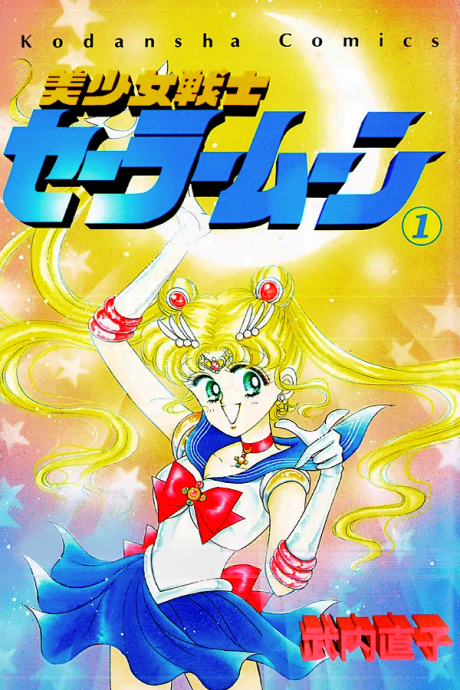
Bishoujo Senshi Sailor Moon
美少女戦士セーラームーン MangaInformações adicionais
Format
MANGA
Status
Finished
Start date
Dec 28, 1991
End date
Feb 03, 1997
Average score
80/100
Popularity
18978
Favorites
1294
Genres
Drama
Fantasy
Mahou Shoujo
Romance
Fantasy
Mahou Shoujo
Romance
Tags
Shoujo
98%
Target demographic is teenage and young adult females.
Primarily Female Cast
92%
Main cast is mostly composed of female characters.
Reincarnation
90%
Features a character being born again after death, typically as another person or in another world.
Magic
86%
Prominently features magical elements or the use of magic.
Lost Civilization
85%
Featuring a civilization with few ruins or records that exist in present day knowledge.
Female Protagonist
84%
Main character is female.
Heterosexual
84%
Prominently features a romance between a man and a woman, not inherently sexual.
Time Manipulation
83%
Prominently features time-traveling or other time-warping phenomena.
Coming of Age
80%
Centers around a character's transition from childhood to adulthood.
Astronomy
80%
Relating or centered around the study of celestial objects and phenomena, space, or the universe.
Urban Fantasy
80%
Set in a world similar to the real world, but with the existence of magic or other supernatural elements.
Henshin
80%
Prominently features character or costume transformations which often grant special abilities.
Mythology
79%
Prominently features mythological elements, especially those from religious or cultural tradition.
Memory Manipulation
79%
Prominently features a character(s) who has had their memories altered.
War
79%
Partly or completely set during wartime.
Cosmic Horror
79%
A type of horror that emphasizes human insignificance in the grand scope of cosmic reality; fearing the unknown and being powerless to fight it.
Tragedy
79%
Centers around tragic events and unhappy endings.
Space
77%
Partly or completely set in outer space.
Demons
77%
Prominently features malevolent otherworldly creatures.
Super Power
75%
Prominently features characters with special abilities that allow them to do what would normally be physically or logically impossible.
Aliens
68%
Prominently features extraterrestrial lifeforms.
LGBTQ+ Themes
66%
Prominently features characters or themes associated with the LGBTQ+ community, such as sexuality or gender identity.
Space Opera
65%
Centers around space warfare, advanced technology, chivalric romance and adventure.
Fairy Tale
65%
This work tells a fairy tale, centers around fairy tales, or is based on a classic fairy tale.
Unrequited Love
60%
One or more characters are experiencing an unrequited love that may or may not be reciprocated.
Urban
60%
Partly or completely set in a city.
Philosophy
60%
Relating or devoted to the study of the fundamental nature of knowledge, reality, and existence.
Dissociative Identities
60%
A case where one or more people share the same body.
Time Skip
60%
Features a gap in time used to advance the story.
Revenge
60%
Prominently features a character who aims to exact punishment in a resentful or vindictive manner.
Animals
60%
Prominently features animal characters in a leading role.
Rehabilitation
60%
Prominently features the recovery of a character who became incapable of social life or work.
Body Horror
60%
Features characters who undergo horrific transformations or disfigurement, often to their own detriment.
Found Family
55%
Features a group of characters with no biological relations that are united in a group providing social support.
Superhero
54%
Prominently features super-powered humans who aim to serve the greater good.
Circus
53%
Prominently features a circus.
Shrine Maiden
52%
Prominently features a character who is a shrine maiden.
Bisexual
51%
Features a character who is romantically or sexually attracted to people of more than one sex or gender.
Parenthood
50%
Centers around the experience of raising a child.
Love Triangle
50%
Centered around romantic feelings between more than two people. Includes all love polygons.
Age Gap
46%
Prominently features romantic relations between people with a significant age difference.
Tokusatsu
46%
Prominently features elements that resemble special effects in Japanese live-action shows
Gender Bending
45%
Prominently features a character who dresses and behaves in a way characteristic of another gender, or has been transformed into a person of another gender.
Kemonomimi
40%
Prominently features humanoid characters with animal ears.
School
40%
Partly or completely set in a primary or secondary educational institution.
Nudity
40%
Features a character wearing no clothing or exposing intimate body parts.
Age Regression
33%
Prominently features a character who was returned to a younger state.
Bullying
30%
Prominently features the use of force for intimidation, often in a school setting.
Twins
26%
Prominently features two or more siblings that were born at one birth.
School Club
20%
Partly or completely set in a school club scene.
Yuri
20%
Prominently features romance between two females, not inherently sexual. Also known as Girls' Love.


Bishoujo Senshi Sailor Moon
美少女戦士セーラームーン MangaSinopse
Usagi Tsukino is a normal girl until she meets up with Luna, a talking cat, who tells her that she is Sailor Moon. As Sailor Moon, Usagi must fight evils and enforce justice, in the name of the Moon and the mysterious Moon Princess. She meets other girls destined to be Sailor Senshi (Sailor Scouts), and together, they fight the forces of evil!
(Source: Kodansha USA)
Notes:
- The tankoubon release contains 52 Acts and 9 bonus chapters across 18 volumes; chapter/volume counts follow the tankoubon release.
- The shinsouban release contains the original 52 Acts plus 8 new Acts across 12 volumes, but no bonus chapters as all 9 were released separately in Sailor Moon Short Stories alongside another bonus chapter that was previously released in an artbook.
- The kanzenban release contains both the 60 Acts and the 10 bonus chapters from the short story shinsoubans across 10 volumes.
(Source: Kodansha USA)
Notes:
- The tankoubon release contains 52 Acts and 9 bonus chapters across 18 volumes; chapter/volume counts follow the tankoubon release.
- The shinsouban release contains the original 52 Acts plus 8 new Acts across 12 volumes, but no bonus chapters as all 9 were released separately in Sailor Moon Short Stories alongside another bonus chapter that was previously released in an artbook.
- The kanzenban release contains both the 60 Acts and the 10 bonus chapters from the short story shinsoubans across 10 volumes.
Relacionados
-
 Adaptation Bishoujo Senshi Sailor Moon Status: Finished
 -
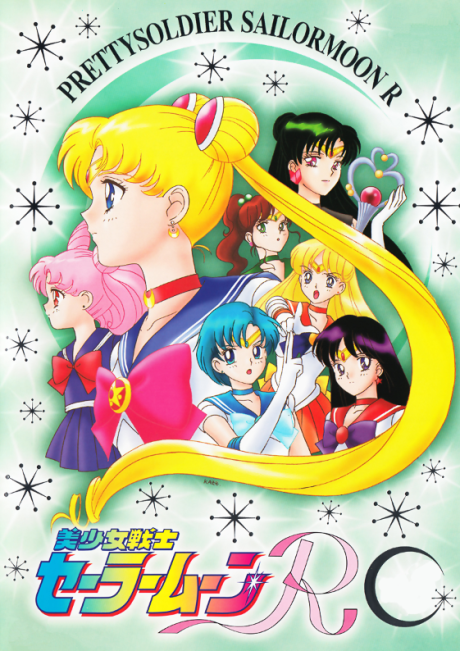 Adaptation Bishoujo Senshi Sailor Moon R Status: Finished
 -
 Adaptation Bishoujo Senshi Sailor Moon S Status: Finished
 -
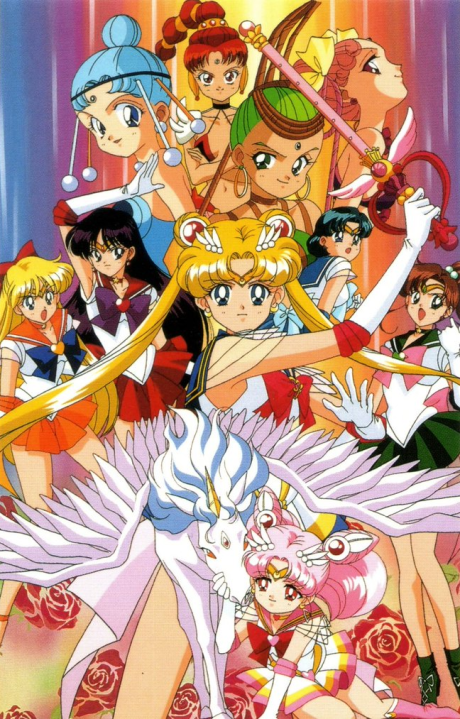 Adaptation Bishoujo Senshi Sailor Moon SuperS Status: Finished
 -
 Adaptation Bishoujo Senshi Sailor Moon: Sailor Stars Status: Finished
 -
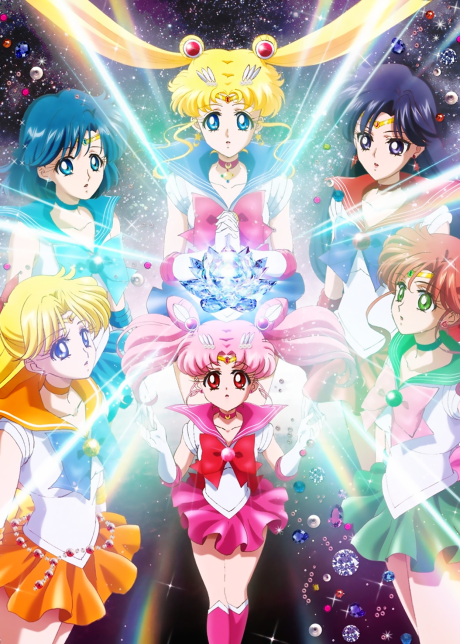 Adaptation Bishoujo Senshi Sailor Moon: Crystal Status: Finished
 -
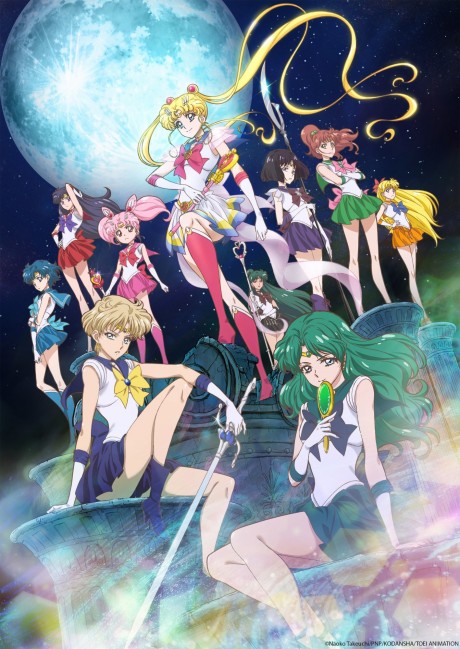 Adaptation Bishoujo Senshi Sailor Moon: Crystal - Death Busters-hen Status: Finished
 -
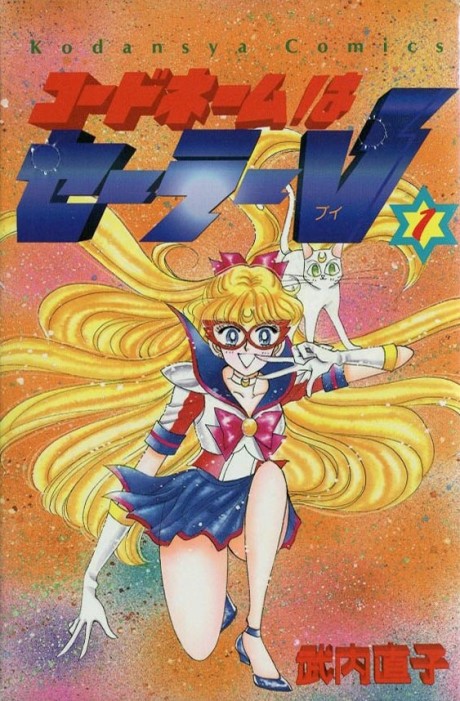 Prequel Codename wa Sailor V Status: Finished
 -
 Side story Bishoujo Senshi Sailor Moon: Short Stories Status: Finished
 -
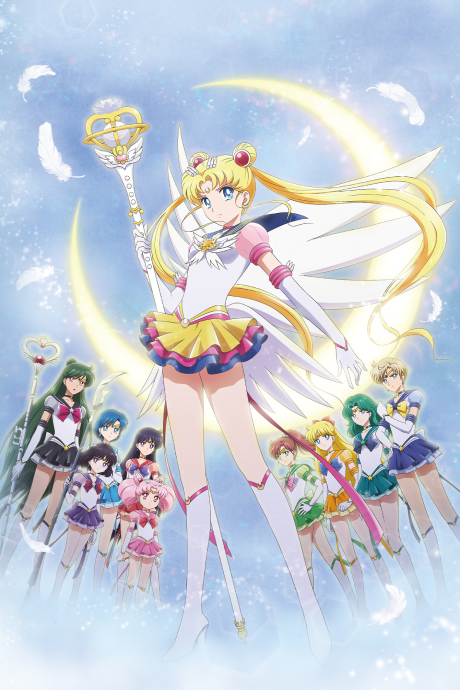 Adaptation Bishoujo Senshi Sailor Moon: Eternal - Kouhen Status: Finished
 -
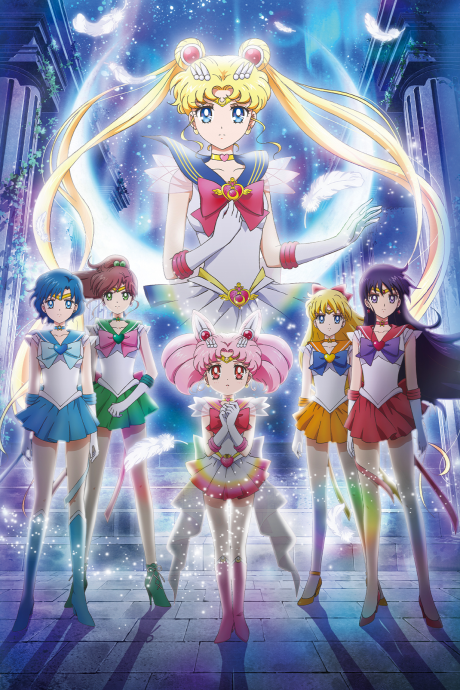 Adaptation Bishoujo Senshi Sailor Moon: Eternal - Zenpen Status: Finished
 -
 Adaptation Bishoujo Senshi Sailor Moon: Cosmos - Zenpen Status: Finished
 -
 Adaptation Bishoujo Senshi Sailor Moon: Cosmos - Kouhen Status: Finished
Recomendados
-
 Tokyo Mew Mew Status: Finished
 -
 Full Moon wo Sagashite Status: Finished
 -
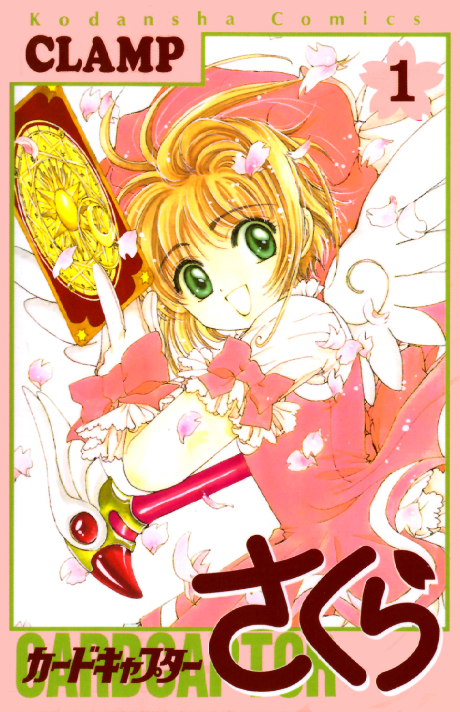 Cardcaptor Sakura Status: Finished
 -
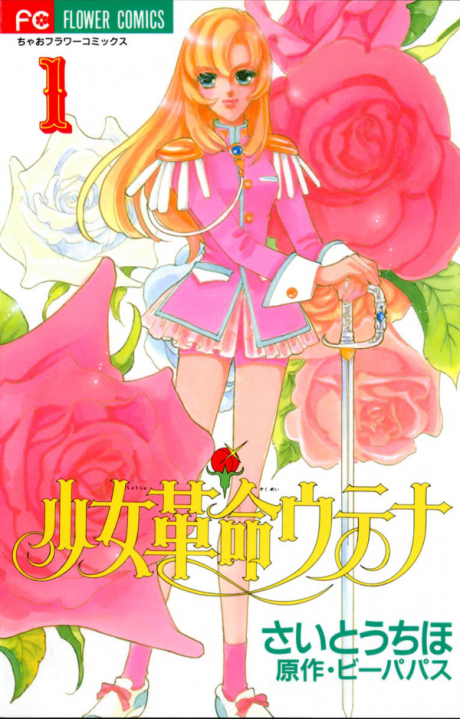 Shoujo Kakumei Utena Status: Finished
 -
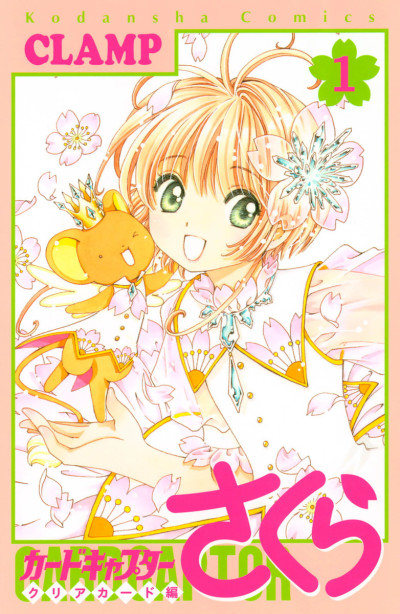 Cardcaptor Sakura: Clear Card-hen Status: Finished
 -
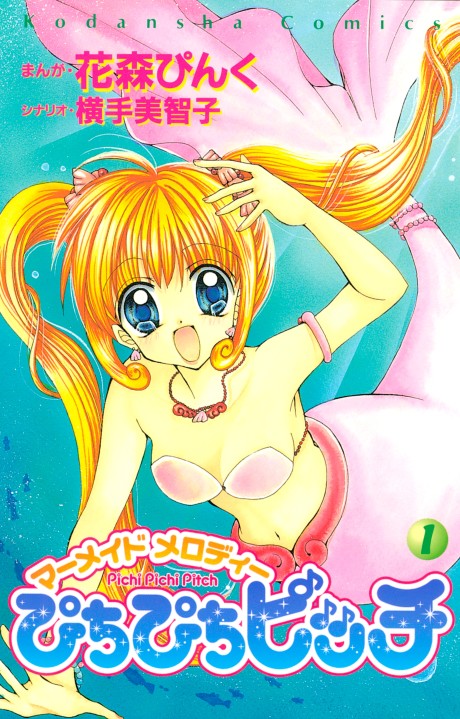 Mermaid Melody: Pichi Pichi Pitch Status: Finished
 -
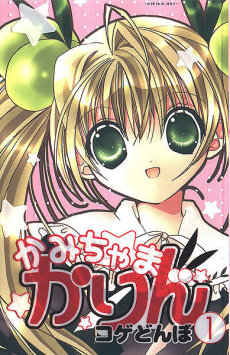 Kamichama Karin Status: Finished
 -
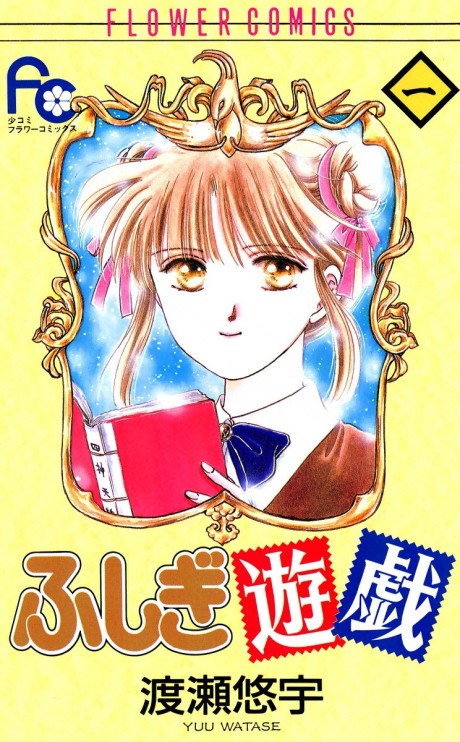 Fushigi Yuugi Status: Finished
 -
 Sakura-Hime Kaden Status: Finished
 -
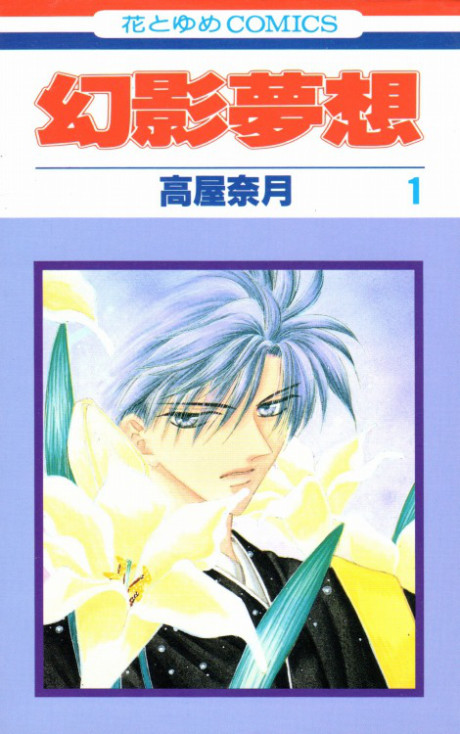 Genei Musou Status: Finished
 -
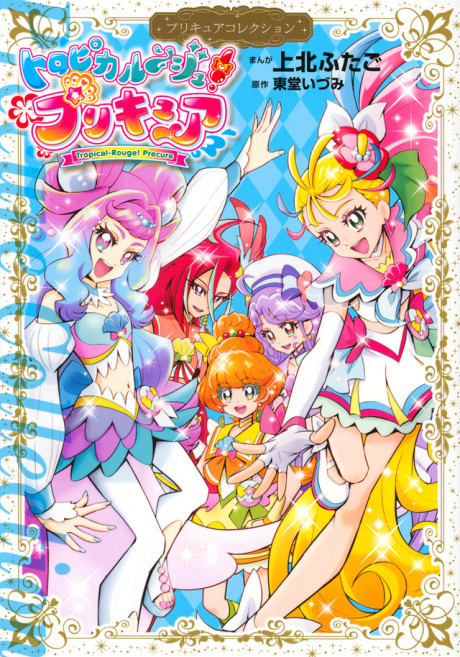 Tropical-Rouge! Precure Status: Finished
 -
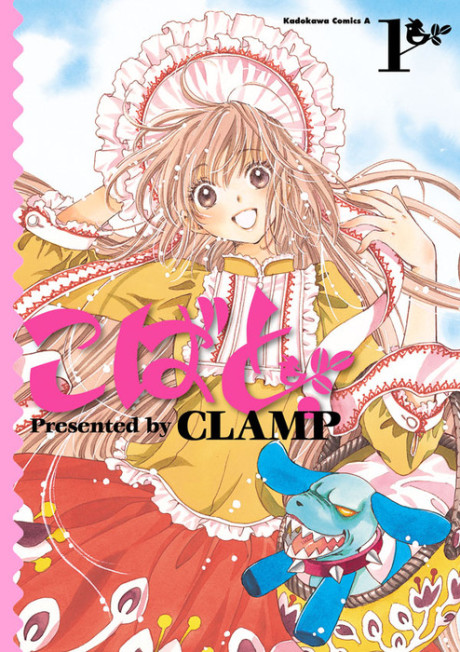 Kobato. Status: Finished
 -
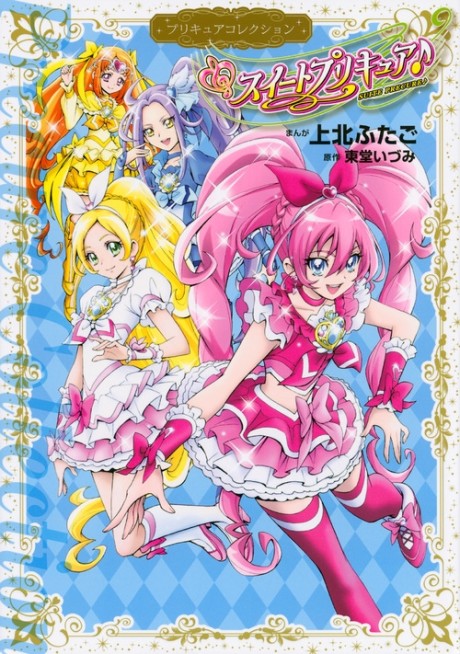 Suite Precure♪ Status: Finished
 -
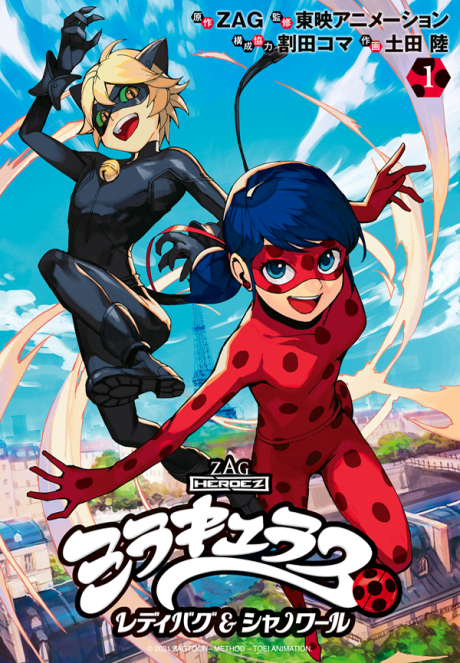 Miraculous: Ladybug & Chat Noir Status: Releasing
 -
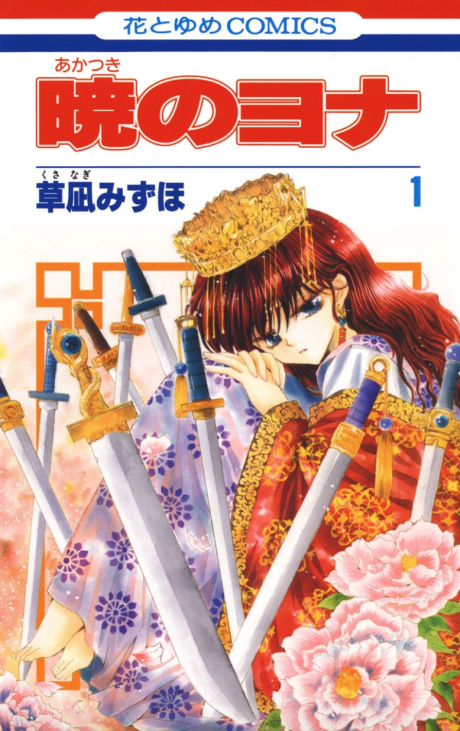 Akatsuki no Yona Status: Finished
 -
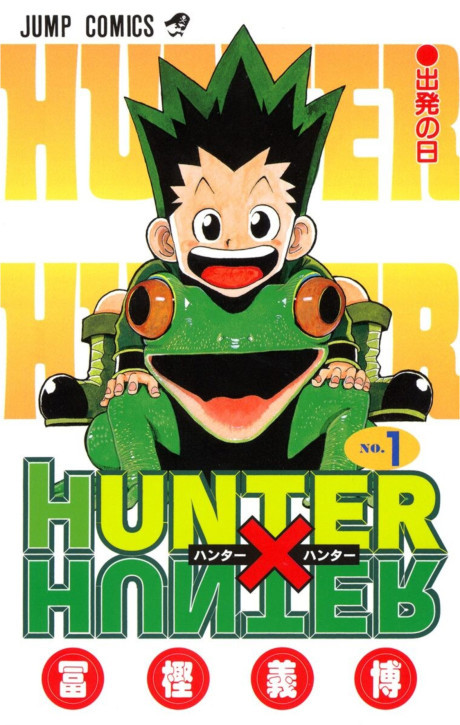 HUNTER×HUNTER Status: Releasing
 -
 Yu☆Gi☆Oh! Status: Finished
 -
 Kamikaze Kaitou Jeanne Status: Finished
 -
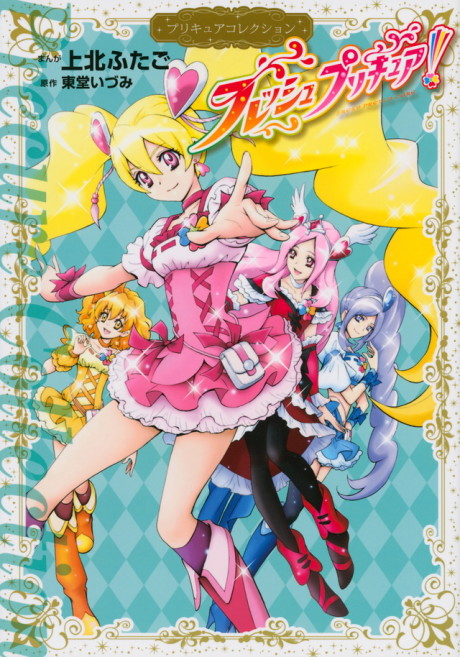 Fresh Precure! Status: Finished
 -
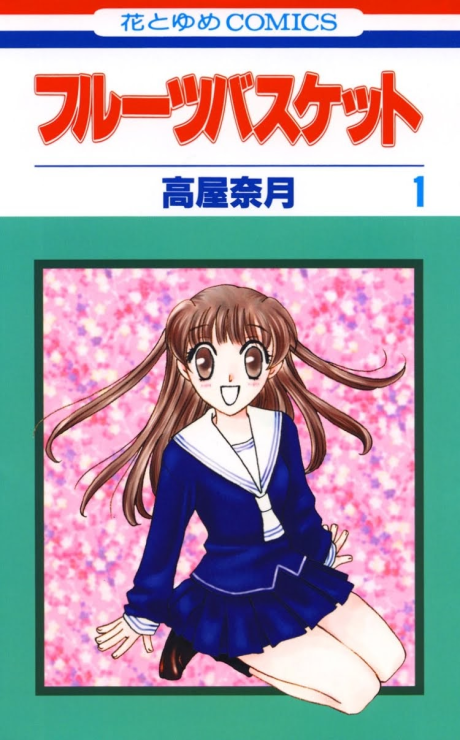 Fruits Basket Status: Finished
 -
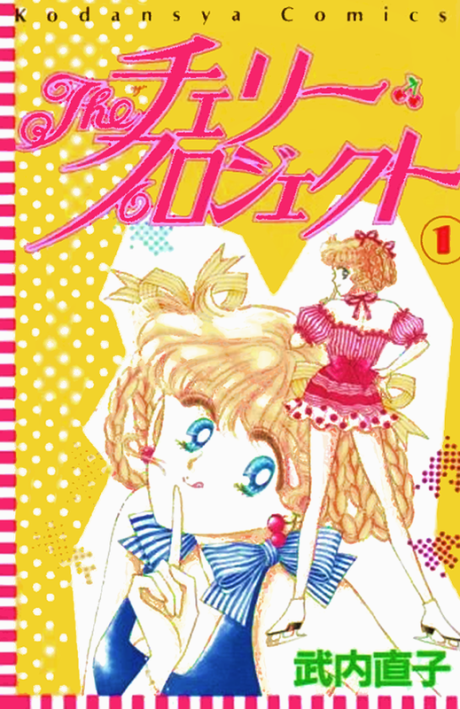 The Cherry Project Status: Finished
 -
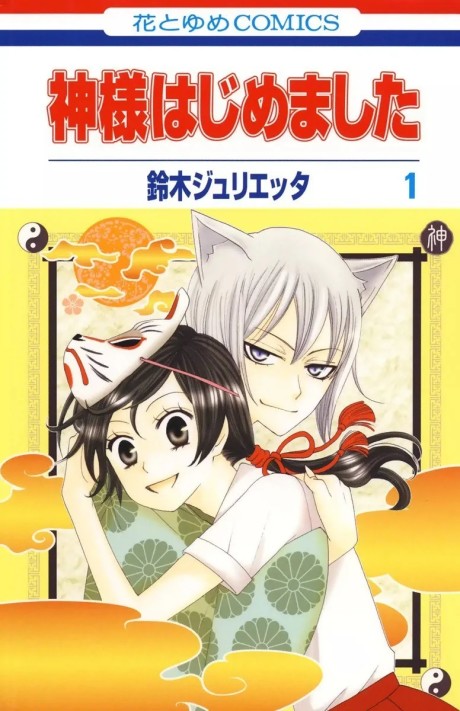 Kamisama Hajimemashita Status: Finished
 -
 Versailles no Bara Status: Finished
 -
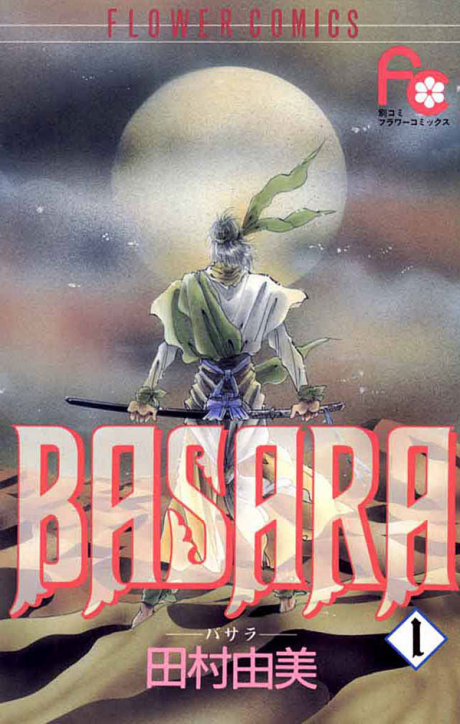 BASARA Status: Finished
 -
 Mahou Shoujo Madoka☆Magica Status: Finished