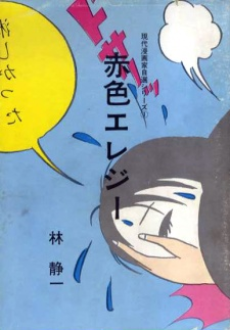
Sekishoku Elegy
赤色エレジー MangaInformações adicionais
Format
MANGA
Status
Finished
Average score
73/100
Popularity
3089
Favorites
157
Genres
Drama
Slice of Life
Slice of Life
Tags
Seinen
79%
Target demographic is adult males.
Drawing
75%
Centers around the art of drawing, including manga and doujinshi.
Heterosexual
73%
Prominently features a romance between a man and a woman, not inherently sexual.
Work
66%
Centers around the activities of a certain occupation.
Nudity
60%
Features a character wearing no clothing or exposing intimate body parts.
Suicide
60%
The act or an instance of taking or attempting to take one's own life voluntarily and intentionally.
Primarily Adult Cast
60%
Main cast is mostly composed of characters above a high school age.
Gekiga
20%
An alternative comics movement of mature manga with stylized and cinematic visuals predominantly from the late 1950s through 1970s.
Sekishoku Elegy
赤色エレジー MangaSinopse
Seiichi Hayashi produced Red Colored Elegy between 1970 and 1971, in the aftermath of a politically turbulent and culturally vibrant decade that promised but failed to deliver new possibilities. With a combination of sparse line work and visual codes borrowed from animation and film, the quiet melancholy lives of a young couple struggling to make ends meet are beautifully captured in this poetic masterpiece.
Uninvolved with the political movements of the time, Ichiro and Sachiko hope for something better, but they're no revolutionaries; their spare time is spent drinking, smoking, daydreaming, and sleeping--together and at times with others. While Ichiro attempts to make a living from his comics, Sachiko's parents are eager to arrange a marriage for her, but Ichiro doesn't seem interested. Both in their relationship and at work, Ichiro and Sachiko are unable to say the things they need to say, and like any couple, at times say things to each other that they do not mean, ultimately communicating as much with their body language and what remains unsaid as with words.
Red Colored Elegy is informed as much by underground Japanese comics of the time as it is by the French Nouvelle Vague, and its cultural referents range from James Dean to Ken Takakura. Its influence in Japan was so large that Morio Agata, a prominent Japanese folk musician and singer songwriter, debuted with a love song written and named after it.
"I wanted to live like Sachiko and Ichiro; to have aspirations even while living stoically and humbly." --Morio Agata
(Source: Drawn and Quaterly)
Uninvolved with the political movements of the time, Ichiro and Sachiko hope for something better, but they're no revolutionaries; their spare time is spent drinking, smoking, daydreaming, and sleeping--together and at times with others. While Ichiro attempts to make a living from his comics, Sachiko's parents are eager to arrange a marriage for her, but Ichiro doesn't seem interested. Both in their relationship and at work, Ichiro and Sachiko are unable to say the things they need to say, and like any couple, at times say things to each other that they do not mean, ultimately communicating as much with their body language and what remains unsaid as with words.
Red Colored Elegy is informed as much by underground Japanese comics of the time as it is by the French Nouvelle Vague, and its cultural referents range from James Dean to Ken Takakura. Its influence in Japan was so large that Morio Agata, a prominent Japanese folk musician and singer songwriter, debuted with a love song written and named after it.
"I wanted to live like Sachiko and Ichiro; to have aspirations even while living stoically and humbly." --Morio Agata
(Source: Drawn and Quaterly)
Relacionados
Recomendados
-
 Reiraku Status: Finished
 -
 Nijigahara Holograph Status: Finished
 -
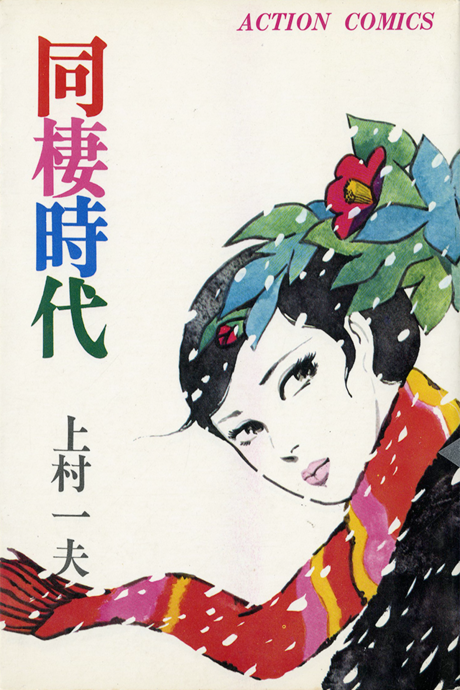 Dousei Jidai Status: Finished
 -
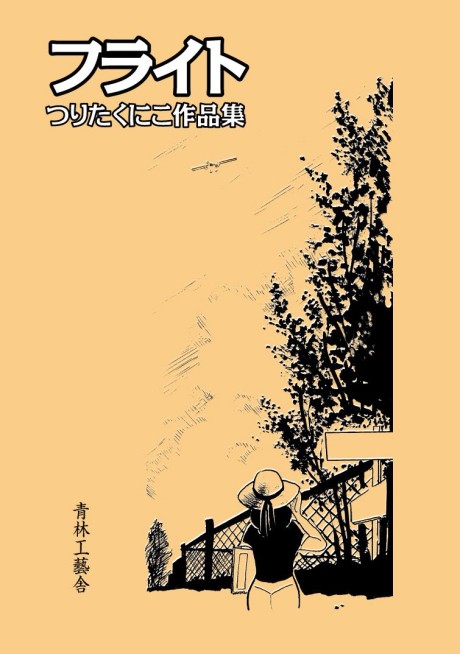 Flight Status: Finished
 -
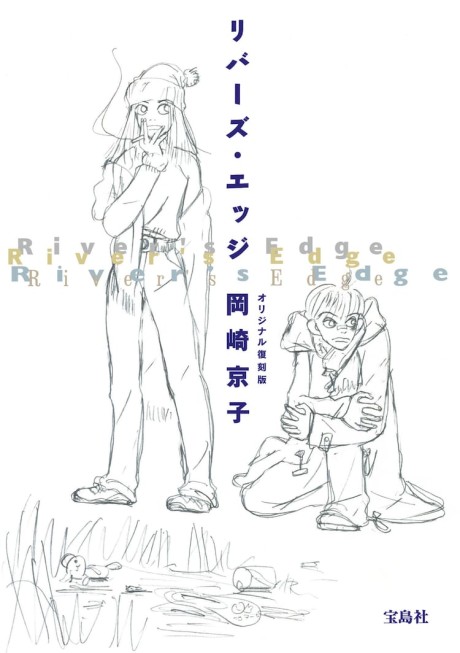 River's Edge Status: Finished
 -
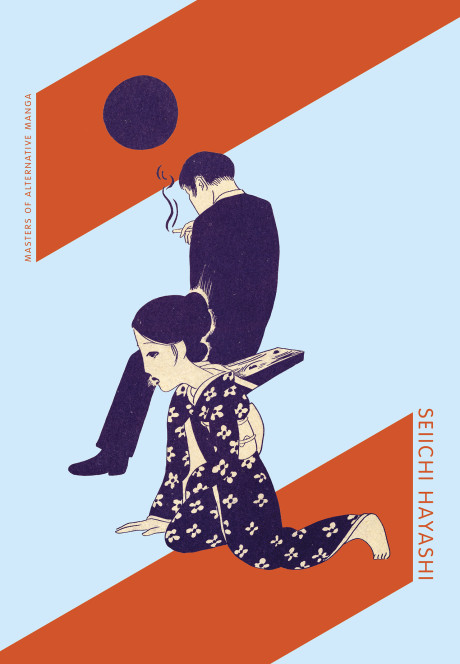 Ougon Kafun Status: Finished
 -
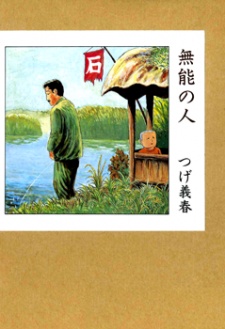 Munou no Hito Status: Finished
 -
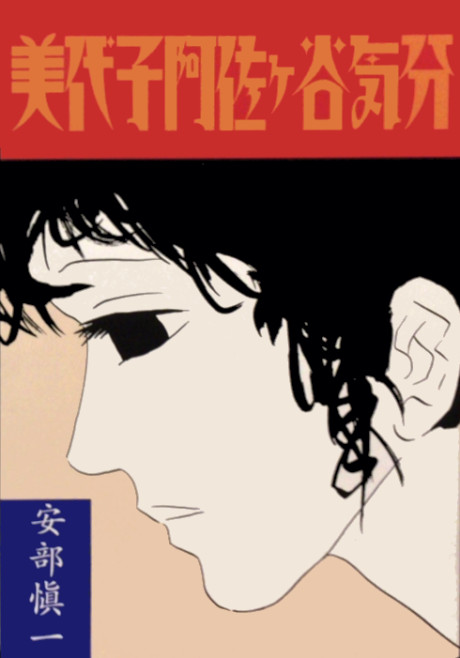 Miyoko Asagaya Kibun Status: Finished
 -
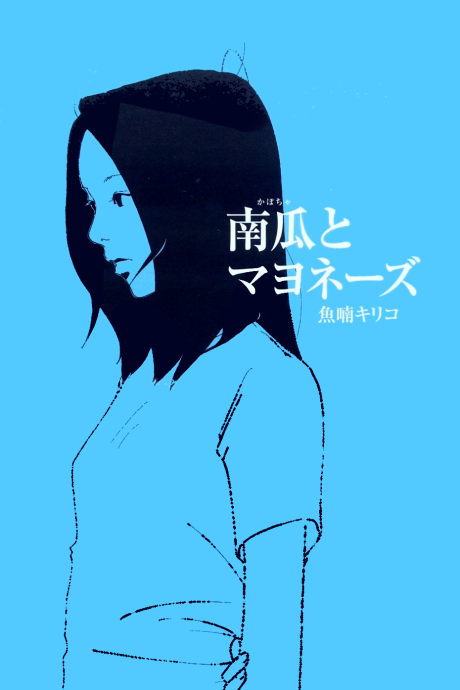 Kabocha to Mayonnaise Status: Finished
 -
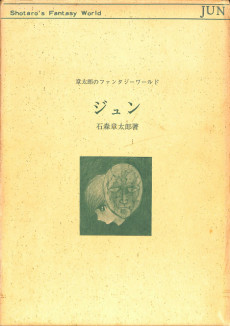 Jun: Shotaro no Fantasy World Status: Finished
 -
 Natsu no Zenjitsu Status: Finished
 -
 Secchan Status: Finished