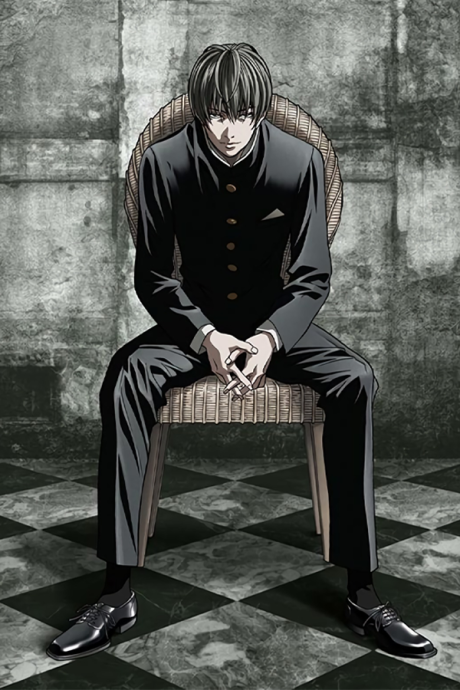
Aoi Bungaku Series
青い文学シリーズ AnimeInformações adicionais
Format
TV
Episodes
12
Duration
22 minutes
Status
Finished
Start date
Oct 11, 2009
End date
Dec 27, 2009
Average score
73/100
Popularity
50414
Favorites
575
Studios
MADHOUSE
Genres
Drama
Psychological
Romance
Thriller
Psychological
Romance
Thriller
Tags
Classic Literature
92%
Discusses or adapts a work of classic world literature.
Tragedy
91%
Centers around tragic events and unhappy endings.
Philosophy
88%
Relating or devoted to the study of the fundamental nature of knowledge, reality, and existence.
Anthology
86%
A collection of separate works collated into a single release.
Historical
84%
Partly or completely set during a real period of world history.
Suicide
82%
The act or an instance of taking or attempting to take one's own life voluntarily and intentionally.
Autobiographical
73%
Real stories and anecdotes written by the author about their own life.
Urban
70%
Partly or completely set in a city.
Primarily Adult Cast
67%
Main cast is mostly composed of characters above a high school age.
War
60%
Partly or completely set during wartime.
Gore
60%
Prominently features graphic bloodshed and violence.
Drawing
60%
Centers around the art of drawing, including manga and doujinshi.
Rape
46%
Features non-consensual sexual penetration.
Ojou-sama
44%
Features a wealthy, high-class, oftentimes stuck up and demanding female character.
Politics
40%
Centers around politics, politicians, or government activities.
Rural
40%
Partly or completely set in the countryside.
Demons
40%
Prominently features malevolent otherworldly creatures.
Writing
40%
Centers around the profession of writing books or novels.
Psychosexual
40%
Work that involves the psychological aspects of sexual impulses.
Religion
40%
Centers on the belief that humanity is related to supernatural, transcendental, and spiritual elements.
Trains
30%
Prominently features trains.
Female Harem
20%
Main cast features the protagonist plus several female characters who are romantically interested in them.
Fairy Tale
20%
This work tells a fairy tale, centers around fairy tales, or is based on a classic fairy tale.
Afterlife
20%
Partly or completely set in the afterlife.
Delinquents
20%
Features characters with a notorious image and attitude, sometimes referred to as "yankees".
Mythology
20%
Prominently features mythological elements, especially those from religious or cultural tradition.
Aoi Bungaku Series
青い文学シリーズ AnimeSinopse
Anthology series adapting six modern classics of Japanese literature:
No Longer Human (Ningen Shikkaku) by Dazai Osamu — A high school student becomes lost and alienated. Despondent and aimless, he falls into a cycle of self abuse, depression and drugs that taints his life for years. Told in three chapters, each chapter deals with a different point in his life and the final chapter leaves him standing alone — an empty and hollow caricature of his former self.
In the Forest, Under Cherries in Full Bloom (Sakura no Mori no Mankai no Shita) by Sakaguchi Ango — A love story between a 12th-century woman and a mountain bandit who abducts her.
Run, Melos! (Hashire, Melos!) by Dazai Osamu — An updated retelling of a classic Greek tale of the story of Damon and Pythias. Unwavering friendship is the most prominent theme of this retelling. Despite facing hardships, the protagonist Melos does his best to save his friend's life, and in the end his efforts are rewarded.
Hell Screen (Jigoku Hen) by Akutagawa Ryuunosuke — A famous artist is commissioned by a great lord to create a series of paintings depicting scenes of the Buddhist Hell. The artist is unable to paint scenes that he has not seen himself, prompting him to torture and torment the Lord's staff to create his imagined images of hell. His creative efforts taint the household, as the story descends into madness and destruction.
Kokoro by Natsume Souseki — A 1914 tale of a young man's life journey during the Meiji era. The work deals with the transition from the Japanese Meiji society to the modern era, by exploring the friendship between a young man and an older man he calls Sensei. It continues the theme of isolation developed in Souseki's previous works, here in the context of interwoven strands of egoism and guilt, as opposed to shame.
The Spider's Thread (Kumo no Ito) by Akutagawa Ryuunosuke — The Buddha Shakyamuni chances to notice a cold-hearted criminal suffering in Hell. But this criminal did perform one single act of kindness in not stepping on a spider in a forest. Moved by this selfless act, Shakyamuni takes the silvery thread of a spider in Paradise and lowers it down into Hell, but it falls upon the criminal to seize the opportunity and pull himself out — if he can.
(Source: AniDB)
No Longer Human (Ningen Shikkaku) by Dazai Osamu — A high school student becomes lost and alienated. Despondent and aimless, he falls into a cycle of self abuse, depression and drugs that taints his life for years. Told in three chapters, each chapter deals with a different point in his life and the final chapter leaves him standing alone — an empty and hollow caricature of his former self.
In the Forest, Under Cherries in Full Bloom (Sakura no Mori no Mankai no Shita) by Sakaguchi Ango — A love story between a 12th-century woman and a mountain bandit who abducts her.
Run, Melos! (Hashire, Melos!) by Dazai Osamu — An updated retelling of a classic Greek tale of the story of Damon and Pythias. Unwavering friendship is the most prominent theme of this retelling. Despite facing hardships, the protagonist Melos does his best to save his friend's life, and in the end his efforts are rewarded.
Hell Screen (Jigoku Hen) by Akutagawa Ryuunosuke — A famous artist is commissioned by a great lord to create a series of paintings depicting scenes of the Buddhist Hell. The artist is unable to paint scenes that he has not seen himself, prompting him to torture and torment the Lord's staff to create his imagined images of hell. His creative efforts taint the household, as the story descends into madness and destruction.
Kokoro by Natsume Souseki — A 1914 tale of a young man's life journey during the Meiji era. The work deals with the transition from the Japanese Meiji society to the modern era, by exploring the friendship between a young man and an older man he calls Sensei. It continues the theme of isolation developed in Souseki's previous works, here in the context of interwoven strands of egoism and guilt, as opposed to shame.
The Spider's Thread (Kumo no Ito) by Akutagawa Ryuunosuke — The Buddha Shakyamuni chances to notice a cold-hearted criminal suffering in Hell. But this criminal did perform one single act of kindness in not stepping on a spider in a forest. Moved by this selfless act, Shakyamuni takes the silvery thread of a spider in Paradise and lowers it down into Hell, but it falls upon the criminal to seize the opportunity and pull himself out — if he can.
(Source: AniDB)
Relacionados
-
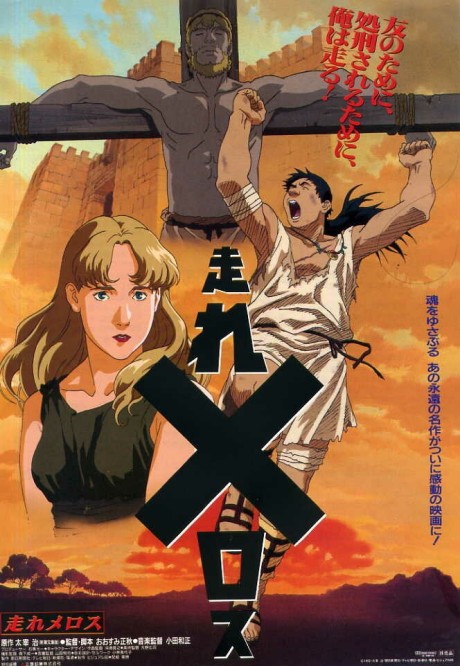 Alternative Hashire Melos (1992) Status: Finished
 -
 Summary Ningen Shikkaku: Director's Cut Ban Status: Finished
 -
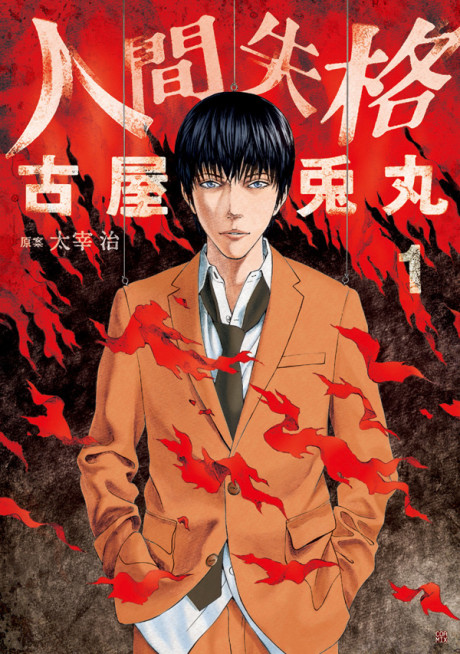 Alternative Ningen Shikkaku Status: Finished
 -
 Alternative Kumo no Ito (2000) Status: Finished
 -
 Alternative Hashire Melos (1981) Status: Finished
 -
 Alternative HUMAN LOST Status: Finished
 -
 Alternative Kumo no Ito Status: Finished
 -
 Alternative Hashire Melos Status: Finished
Recomendados
-
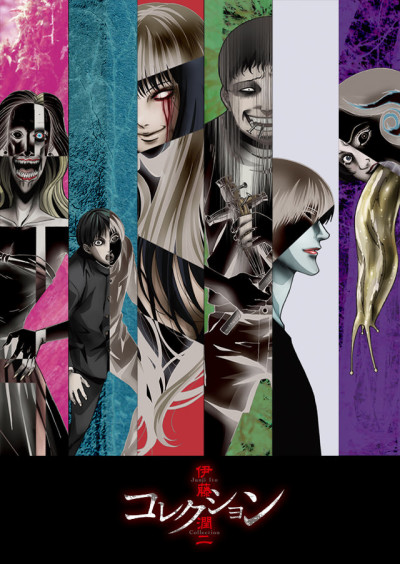 Itou Junji: Collection Status: Finished
 -
 Aku no Hana Status: Finished
 -
 Mousou Dairinin Status: Finished
 -
HUMAN LOST Status: Finished
-
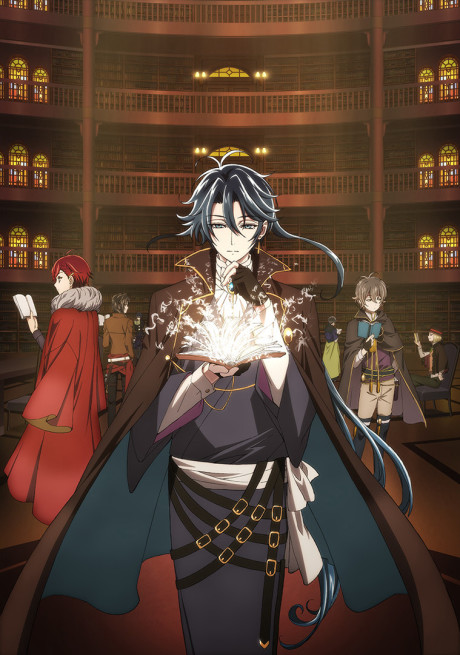 Bungou to Alchemist: Shinpan no Haguruma Status: Finished
 -
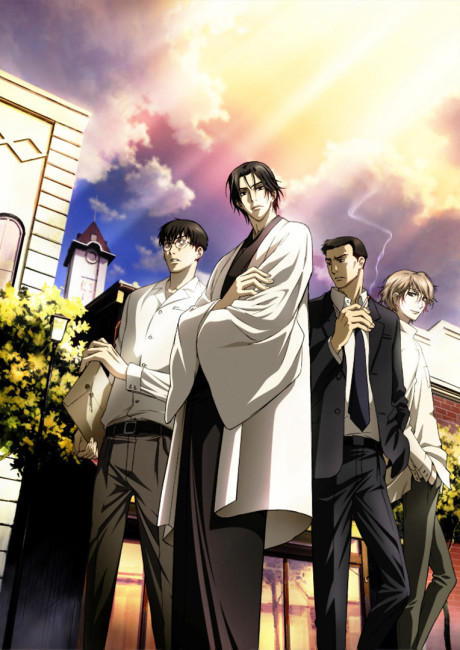 Mouryou no Hako Status: Finished
 -
 Kubikiri Cycle: Aoiro Savant to Zaregotozukai Status: Finished
 -
 NHK ni Youkoso! Status: Finished
 -
 serial experiments lain Status: Finished
 -
 Paprika Status: Finished
 -
 Yami no Matsuei Status: Finished
 -
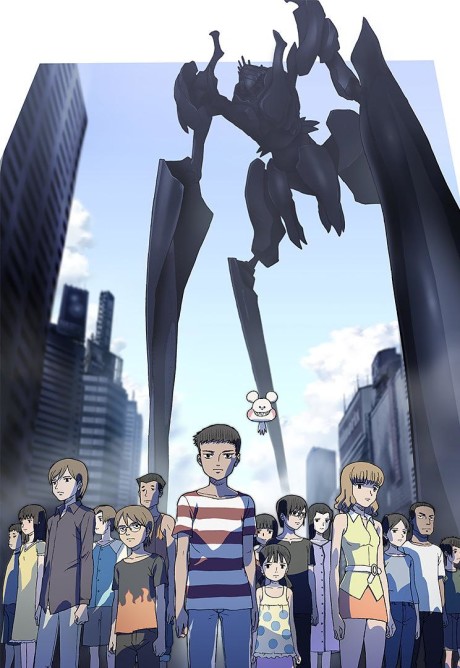 Bokurano Status: Finished
 -
 DEATH NOTE Status: Finished
 -
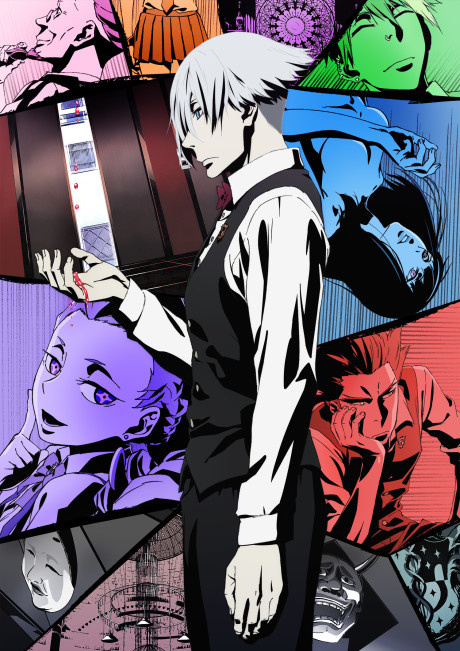 Death Parade Status: Finished
 -
 MEMORIES Status: Finished
 -
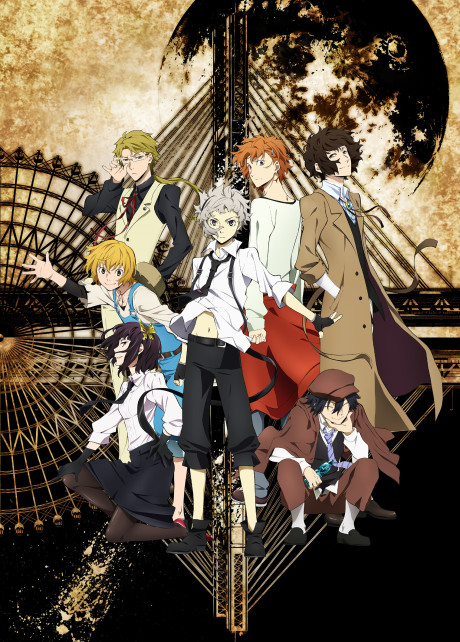 Bungou Stray Dogs Status: Finished
 -
 PSYCHO-PASS Status: Finished
 -
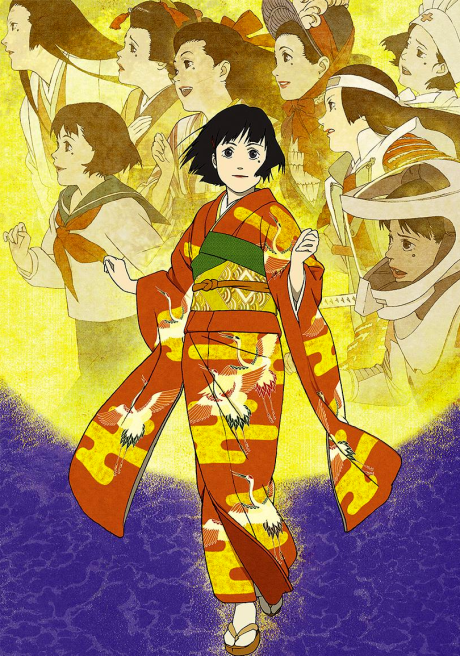 Sennen Joyuu Status: Finished
 -
 PERFECT BLUE Status: Finished
 -
 1001 Nights Status: Finished
 -
 Shouwa Monogatari Status: Finished
 -
 Ningen Kousaten Status: Finished
 -
 Takahashi Rumiko Anthology Status: Finished
 -
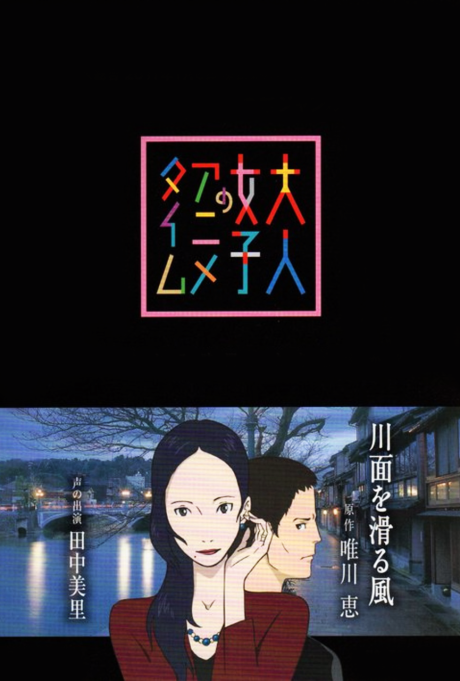 Otona Joshi no Anime Time Status: Finished
 -
Hashire Melos (1981) Status: Finished